
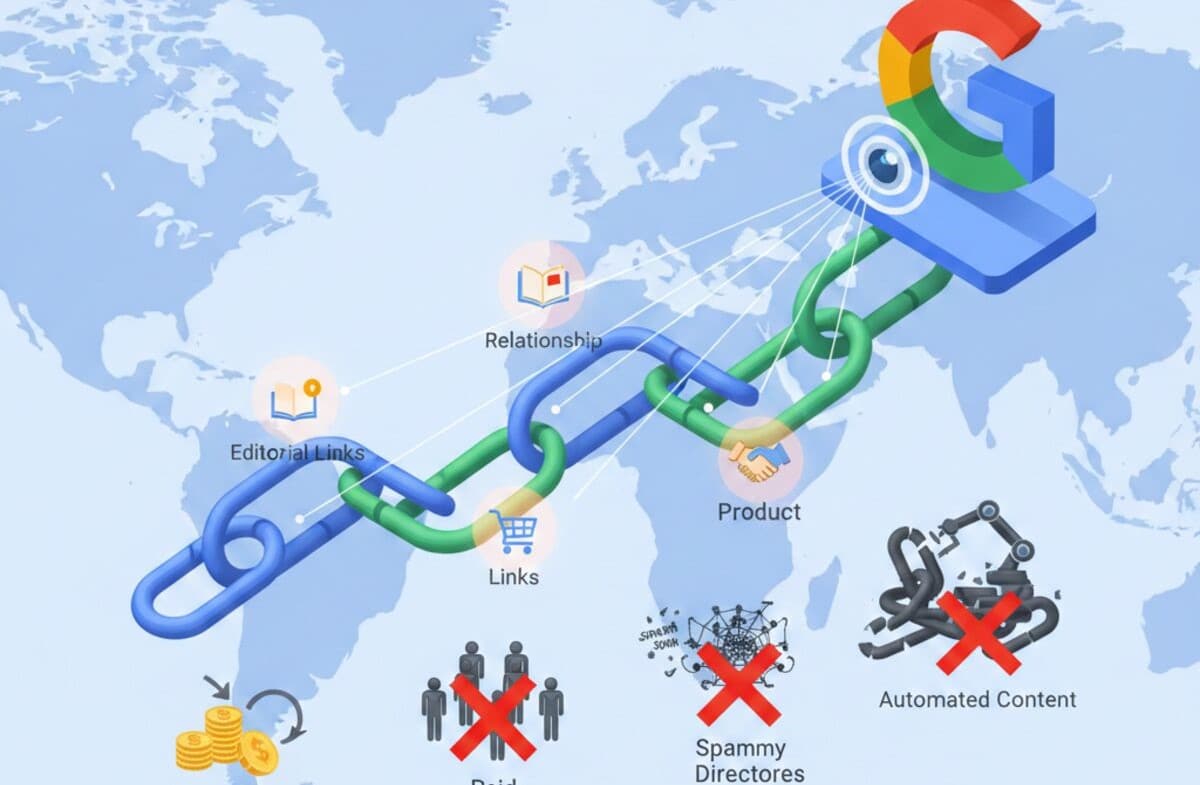
Look, when you hear the word “outreach,” what’s the first thing that springs to mind? Maybe you picture a charity event, or perhaps a small community trying to help those in need. It’s a good, solid word, isn’t it? It implies genuine human connection, reaching across a gap to offer something valuable.
Now, if you’re reading this on OutreachBee, you already know we aren’t talking about soup kitchens, though the heart of the matter—connection—is exactly the same. In the digital world, specifically for SEO and content marketing, outreach is the act of strategically reaching out to other people and websites in your industry. Why? To let them know you exist, sure, but mostly to build relationships, earn visibility, and yes, secure those sweet, high-quality backlinks.
It sounds simple enough. We all send emails every day. But trust me, digital outreach is far more involved than just firing off a generic “Hey, link to my content!” message.
More Than Just “Sending Emails”
Real outreach is fundamentally about value exchange. It’s a mix of patience, detective work, and just being a thoughtful human being. Honestly, if you approach it mechanically, as just a way to tick a link box, you’re going to fail. That’s because the person on the other end, the webmaster or editor, they can smell a copy-pasted pitch from a mile away.
Think of it like this: I once knew a guy who wanted to network at a big industry conference. He didn’t just walk up and shove his business card in people’s faces. Instead, he took the time to read their recent work, compliment them specifically on one point, and then introduce himself. He didn’t ask for anything right away. He was planting a seed. Digital outreach is that same slow, focused, relationship-first approach, often leading to a natural link because your content genuinely helps their audience.
And that’s the gold standard, isn’t it? Earning an endorsement because your work is genuinely useful.
Wait, Does Google Even Like Outreach?
This is where things get a little sticky, and frankly, a bit confusing for new marketers. Google, as the dominant force in search, has always maintained that the best links are “natural” links—the ones you get without asking, purely because your content is so brilliant, someone else felt compelled to cite it.
But let’s be real. In a competitive online landscape, waiting for everyone to magically find your 5,000-word guide on broken link analysis is probably not a sustainable business model.
So, what does Google actually say about the process of reaching out and asking for a link?
Well, the good news is that they seem to be okay with it, up to a point. Google’s official guidance has affirmed that it is absolutely fine to contact people, to promote your content, and to suggest that they might appreciate it for their website. The key, however, is that the link must come from an authentic place. You are allowed to promote your great work. You are not allowed to manipulate the system.
The difference? It’s all about intent, I suppose.
The Line You Cannot Cross
Google’s spam policies—specifically those around “link schemes”—are very clear about what they don’t like. If you are doing any of the following, you’re playing a dangerous game that could get your site penalized or, more commonly these days, simply have the links ignored by their algorithm:
- Buying or Selling Links: Exchanging money, goods, or services for a link that passes ranking value. (You must use the rel=”sponsored” tag if payment is involved).
- Excessive Link Exchanges: Running a large-scale “I link to you, you link to me” network. A natural, one-off reciprocal link between two partners might happen, but scaling it up for SEO purposes is a massive red flag.
- Automated Link Programs: Using software to automatically build links in forum profiles, low-quality directories, or blog comments.
In short, if the main reason the link exists is for SEO manipulation and not for genuine user experience, Google’s systems are designed to detect it and, well, devalue it. You might think you’re gaming the system, but you’re usually just wasting time and budget on links that have zero ranking benefit. Quality, relevance, and editorial placement trump sheer quantity every single time.
Real-World Outreach Examples That Actually Work
So, if we aren’t allowed to buy links or participate in swaps, what does good outreach look like? It means we have to lead with value. We have to make the relationship, or the resource, the prize—not the link itself.
Here are a couple of powerful, ethical tactics that are based on genuine help:
- Broken Link Building: You find a high-authority website in your niche that has a valuable resource page, only to discover one of their links is dead (a 404 error). You reach out to the editor or webmaster, politely point out the broken link, and then—here’s the clever part—you suggest your piece of content as a perfect, up-to-date replacement. You’re solving their problem first, offering them a great, relevant resource in return. That’s a win-win.
- Original Research and Data: Imagine you publish a comprehensive, unique study on how social media habits changed in your industry over the last five years. No one else has this data. When you reach out to journalists or bloggers, you aren’t asking them to link to your homepage; you’re offering them exclusive data points that make their next article better. This content is inherently link-worthy, and the outreach simply makes sure the right people see it.
The process of outreach, then, isn’t some shady shortcut. It’s simply the hard work of creating something worth citing, and then having the professionalism to tell the right people about it. That’s a promotional activity, and Google has certainly affirmed that promoting your content to earn links is perfectly valid. Just remember the most important piece of advice: Ten great, relevant links beat a hundred low-quality ones. Every. Single. Time.
What do you think?
What are your thoughts on the “natural links” debate? Do you find outreach to be more about PR, or is it pure SEO strategy? Drop a comment below and let us know your most successful (and ethical!) outreach story! And don’t forget to follow us on Facebook, X (Twitter), or LinkedIn for more tips on building connections that count.
Google Search Console gets a boost from AI configuration. Here is how it will help you.
Sources
- www.developers.google.com/search/docs/crawling-indexing/links-crawlable
- www.searchenginejournal.com/google-outreach-link-building/413062/
- www.bluetree.digital/google-backlink-policy/

Stop Eggnogging Around: 4 Holiday Outreach Templates That Land Links
The Gift Guide Gold Rush: Your Backlink Strategy for High-DA Sites